
太古南太平洋基金會(SSPF)已撥款 2,590 萬澳元,旨在推動南太平洋地區消除子宮頸癌的進程。這筆投資將使該地區的多個國家能與位於澳洲悉尼新南威爾斯大學(UNSW Sydney)、世界領先的健康研究機構——基比研究所(Kirby Institute)合作,共同對抗這項疾病。
太古南太平洋基金會由英國太古集團(John Swire & Sons Limited)創立,旨在支持南太平洋地區的慈善活動。英國太古集團執行董事施銘倫(Sam Swire)表示:「太古輪船服務南太平洋島國已有近百年的歷史。我們很自豪能成為該地區近代史的一部分,並隨著地區經濟的增長擴大我們的服務。長期以來,我們在所服務的社區中開展地方性計劃,但近期我們決定將資金投入提升到更高層次,尋找能在整個地區產生深遠影響的項目。」
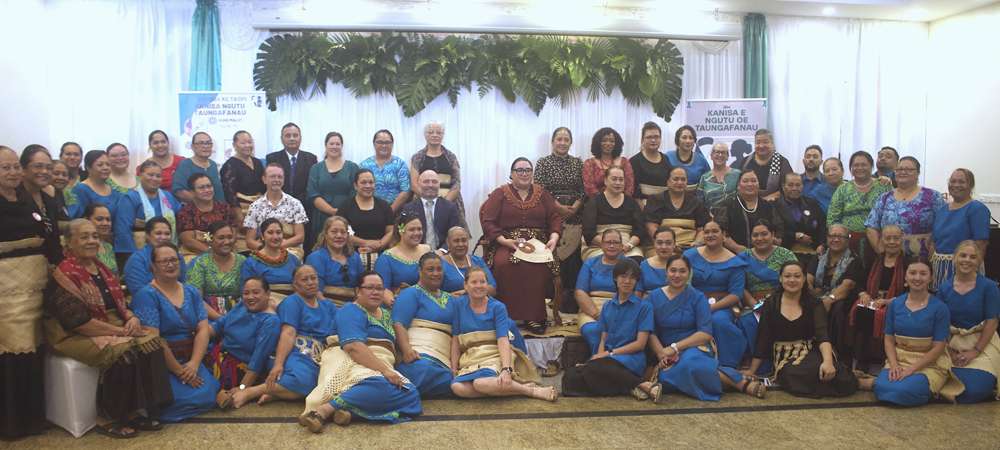
該基金會正資助一項為期五年的計劃,旨在馬紹爾群島、基里巴斯、薩摩亞、湯加、瓦努阿圖、斐濟及所羅門群島引入並擴大人類乳頭瘤病毒(HPV)的篩查與治療。這些計劃將由各國衛生部主導,基比研究所則提供技術指導、培訓與認證、物流管理、數位篩查登記系統、項目影響報告以及監測與評估。
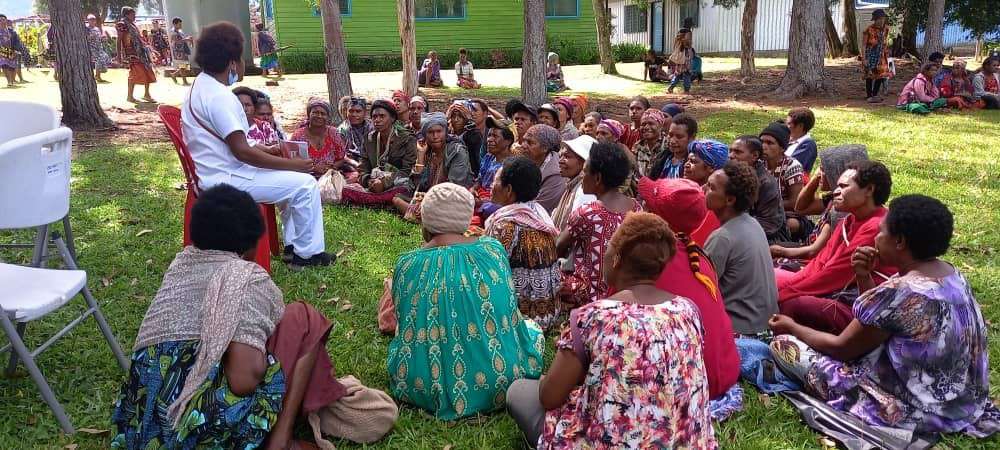
根據世界衛生組織(WHO)的數據,南太平洋地區的子宮頸癌發病率位居世界前列,該疾病是該地區女性因癌症死亡的首要原因。幾乎所有子宮頸癌病例均由 HPV 感染引起。然而,大多數感染者或早期病變患者並無明顯症狀,因此,篩查對於早期發現及防止病情惡化至關重要。
The Swire South Pacific Foundation (SSPF) has granted AU$25.9 million to advance the elimination of cervical cancer in the South Pacific. The investment will enable various countries in the region to partner with the Kirby Institute, a world-leading health research institute at UNSW Sydney, Australia, in the fight against the disease.
The SSPF was established by John Swire & Sons Limited to support philanthropic activity in the South Pacific. Sam Swire, Executive Director, John Swire & Sons Limited, says, “Swire Shipping has been serving the island nations of the South Pacific for nearly 100 years. We have been a proud part of the region’s recent history, and have expanded our services as the regional economy has grown. We have long had local programmes working in the communities which we serve, but recently we decided to take our funding to a higher level, looking for projects which could have meaningful impact throughout the region.”
The SSPF is funding a five-year programme to introduce and scale-up HPV screening and treatment in the Marshall Islands, Kiribati, Samoa, Tonga, Vanuatu, Fiji and the Solomon Islands. The programmes will be led by the Ministry of Health in each country with support from the Kirby Institute, which will provide technical guidance, training and accreditation, logistics management, a digital screening registry, project impact reporting, monitoring and evaluation.
According to the World Health Organization, rates of cervical cancer in the South Pacific are among the highest in the world, with the disease being the number one cause of cancer-related deaths among women in the region. Almost all cases of cervical cancer are due to HPV infection. However, most women with the infection or early cervical disease do not experience symptoms, making screening essential for early detection and to prevent its progression.